From its roots in the PowerBook days to the groundbreaking innovations of the M1 chip, the MacBook Pro has reshaped our expectations of what a laptop can be. So, grab your favorite drink, and let’s dive in!
From PowerBook Roots to the Birth of the MacBook Pro
Before the MacBook Pro name ever graced a device, Apple’s professional laptops were known as the PowerBook. The PowerBook G4, introduced in 2001, was a trailblazer in its own right—featuring one of the lightest designs, a widescreen display when most laptops still stuck with squarer screens, and the clever magnetic lid closure that felt both elegant and secure. Many users favored it over desktops because it packed performance and portability in the same sleek chassis.

Building on this strong foundation, Apple unveiled the first MacBook Pro in 2006—a bold shift in both hardware and branding. Sporting an aluminum design reminiscent of the PowerBook G4’s signature look, this new MacBook Pro debuted with the innovative MagSafe charger and an integrated iSight webcam, ushering in a new era for Apple’s pro portable computers.
Why the Name Change? From PowerPC to Intel

The mid-2000s were a pivotal time for Apple. Steve Jobs announced the switch from PowerPC processors to Intel chips, driven by a critical metric: performance per watt. The PowerPC chips, despite their prior glory, couldn’t keep up with Intel’s efficient, cooler-running processors. This transition meant more speed, better battery life, and a fresh start in design and performance.
When Apple introduced the Intel-based MacBook Pro in 2006, it wasn’t just about new hardware—it was a signal to customers that a new, faster Mac era had arrived. The “MacBook” branding neatly separated the professional models (MacBook Pro) from consumer and educational models (MacBook), easing confusion at a time when both PowerPC and Intel machines coexisted in the market.
MacBook Pro’s Long List of Industry Firsts

The MacBook Pro didn’t just change processors—it set new standards for laptop design and functionality. The 2008 unibody chassis was a game changer: milled from a single aluminum block, it was simultaneously lighter, thinner, and incredibly sturdy. Alongside this came the now-iconic glass trackpad, ditching physical buttons for a smooth, clickable multi-touch surface.
Fast forward to 2012, and Apple once again raised the bar with the Retina display MacBook Pro. This machine dropped the optical drive and traditional hard disk in favor of blisteringly fast SSDs, making it thinner, quieter, and lightning-fast. Thunderbolt ports followed, offering professional users serious data-transfer muscle for demanding workflows.
Ports, Buttons, and the Touch Bar: A Love-Hate Story

The 2016 redesign ramped up the “thin and light” mantra but sacrificed many beloved ports like HDMI, MagSafe, and SD card readers. This shift to USB-C only sparked plenty of frustration—especially since USB-C accessories weren’t as common then as they are today. That era also brought the Touch Bar, a slender OLED strip that replaced traditional function keys with app-specific touch controls. While innovative, not everyone took to it; some missed the tactile reassurance of physical keys.
Thankfully, Apple listened. The later return of MagSafe, HDMI, and SD card slots on newer models (like the 14- and 16-inch M1 Pros) was a big sigh of relief for the pros who depend on these features. The keyboard also saw ups and downs, from the unpopular butterfly switches to the much-loved Magic Keyboard that restored pleasant, reliable typing.
The Apple Silicon Revolution and Future-Ready Displays

Perhaps the biggest leap came in 2020 with the introduction of Apple’s own M1 chip—a marvel of engineering bringing unmatched power efficiency to the MacBook Pro. Professional users suddenly had machines fast enough for video editing, 3D rendering, and coding, yet capable of running quietly for hours on end without charging.
Apple’s mini-LED Liquid Retina XDR displays and 120Hz ProMotion technology took visual fidelity to new heights, delivering astonishing contrast, brightness, and smoothness. These advances are more than tech specs—they represent tools that empower creatives and professionals to work confidently anytime, anywhere.
Why the MacBook Pro Still Matters
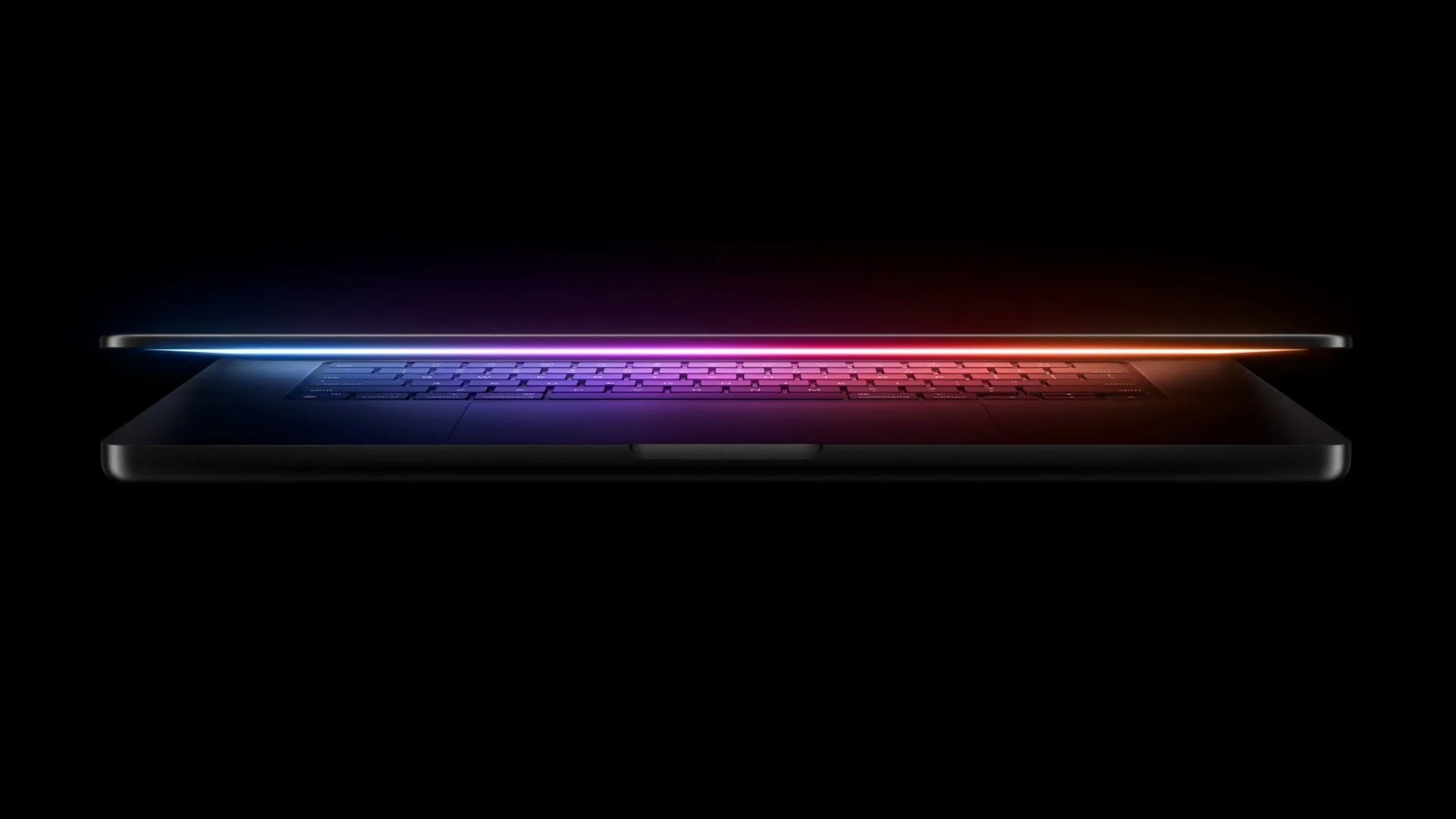
Twenty years in, the MacBook Pro remains a symbol of Apple’s innovative spirit and commitment to creators and pros alike. It’s a machine designed with thought, one that continuously balances power, portability, and elegance. From cooling systems managed by smart chips to the first-class displays that rival studio monitors, the MacBook Pro truly changed how we think about professional laptops.
And as we look ahead, the MacBook Pro’s journey is far from over. With each generation, it adapts, anticipates, and elevates the experience of working on the go.
Closing Thoughts
Whether you remember your first PowerBook, marveled at the Retina display, or have one of the recent M1 Pros humming on your desk, the MacBook Pro’s story is a fascinating blend of innovation, bold design choices, and listening to users. Here’s to 20 years of pushing boundaries—and to what the future holds.
Stay tuned for next week, when we’ll dive into the top apps that truly harness the MacBook Pro’s power and show you how to get the most out of your professional powerhouse. Until then, happy creating!